PennDOT Road Test in Philadelphia: What to Expect and How to Pass
From the pre-drive vehicle check to parallel parking, here's exactly what the PennDOT examiner will ask you to do.
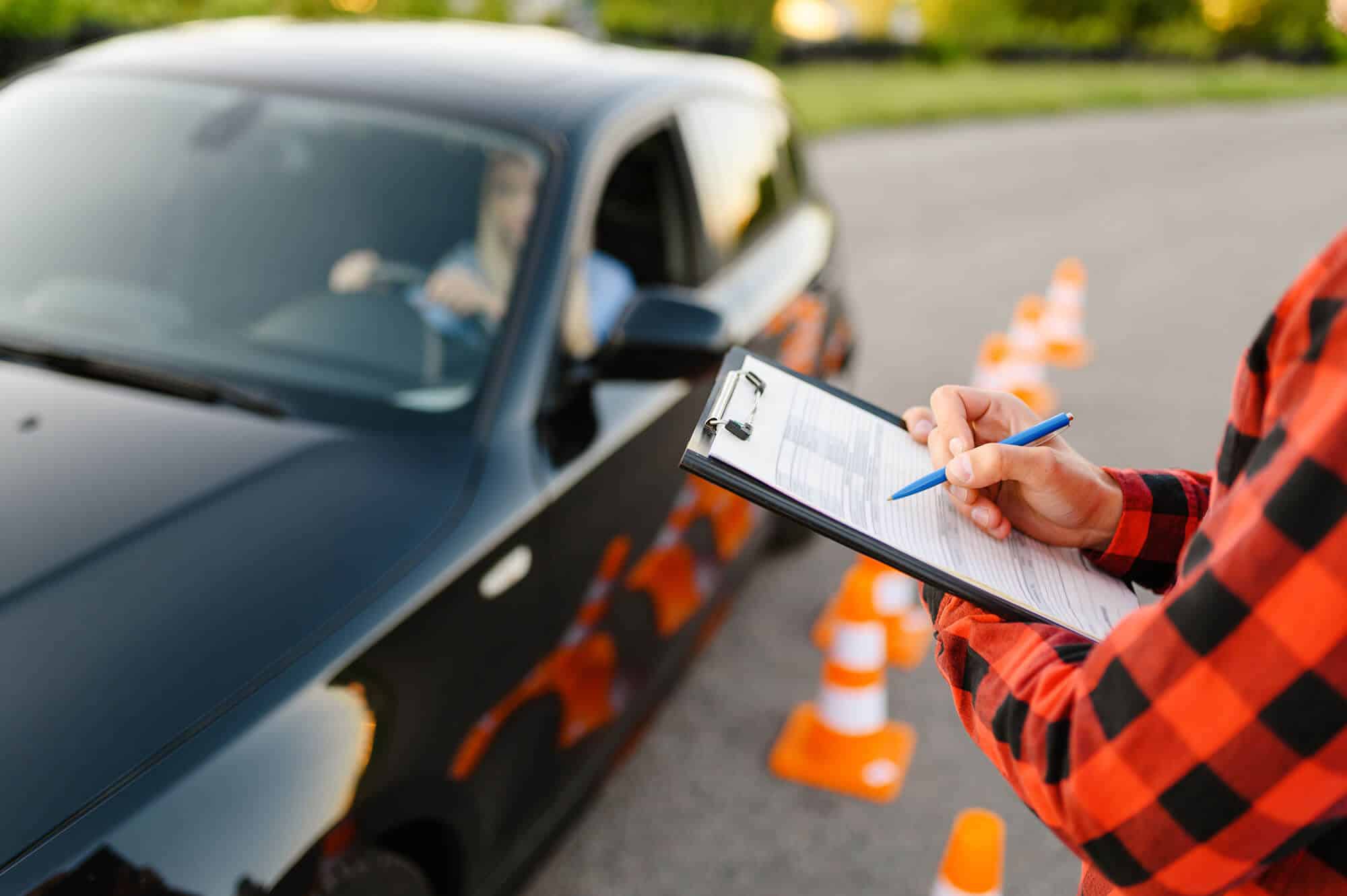
The road test is the last step between your learner's permit and your license. Knowing what the examiner will ask, in what order, takes most of the nerves out of it. Here's how the PennDOT road test works and how to prepare in Philadelphia.
Scheduling your test
Schedule your road test online through dmv.pa.gov. In busy areas like Philadelphia, appointments can fill up weeks ahead, so book as soon as you're close to ready. If you're under 18, you must have held your permit for at least six months and completed your 65 hours of supervised practice first (see our teen driver rules guide).
What to bring
- Your valid learner's permit.
- Form DL-180C certifying your 65 practice hours (drivers under 18).
- A licensed supervising driver to accompany you to the test site.
- A vehicle in good working order with valid registration and proof of insurance.
Arrive about 15 minutes early. Rushing in at the last minute is a bad way to start a test.
Part 1: The vehicle and controls check
Before you drive, the examiner checks the car and asks you to locate and operate controls while parked. If a required item doesn't work, or you can't operate a control, the test can end before it starts.
- Headlights, brake lights, turn signals and horn must all work.
- Windshield wipers, defroster, parking lights and hazard flashers: know where they are without searching.
- Mirrors should be clean and adjusted; tires in good condition.
Part 2: Parallel parking
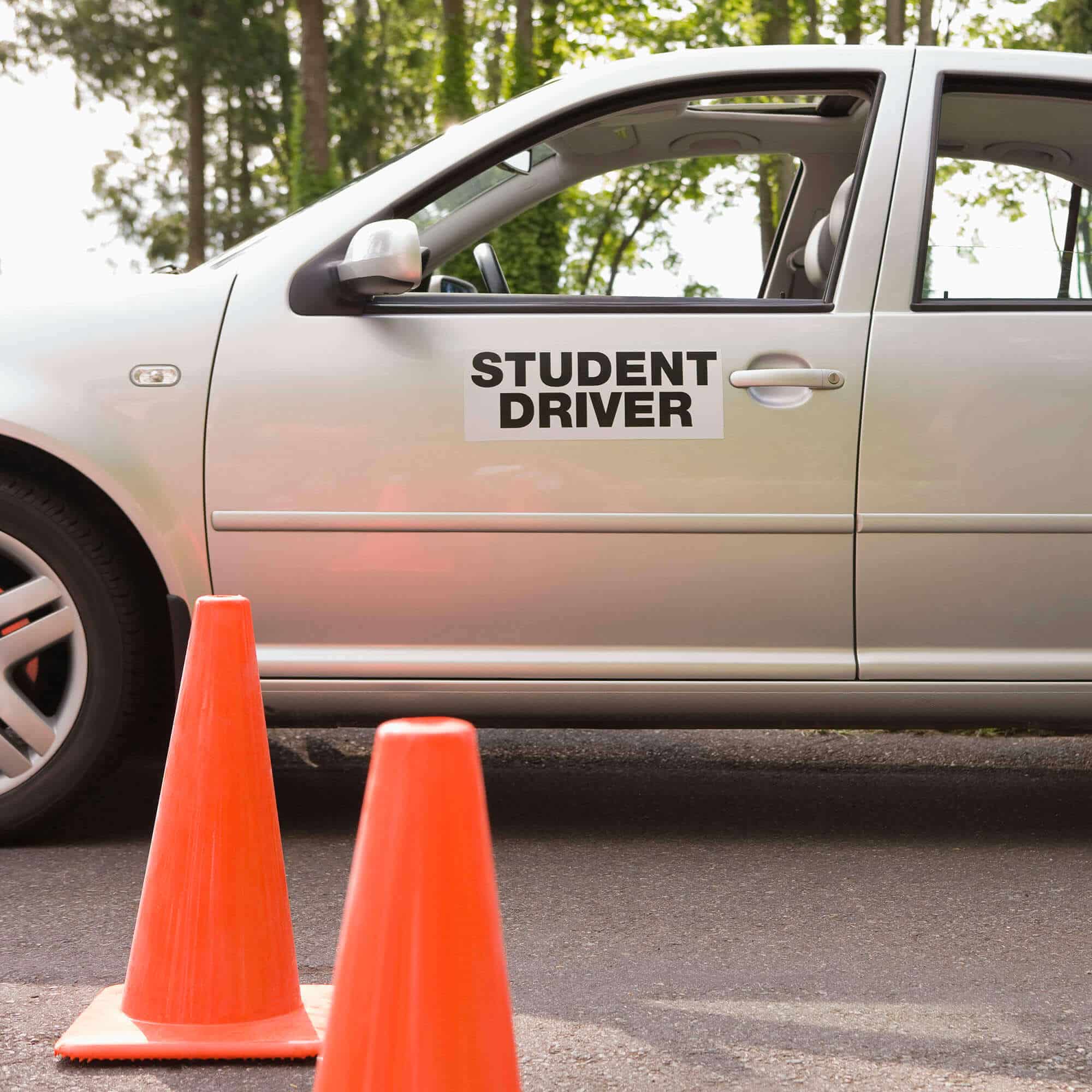
You'll park in a space 24 feet long and 8 feet wide, marked by upright poles. You get one attempt and up to three adjustments. Touching a pole, crossing the painted line or mounting the curb counts against you. We cover the method step by step in our parallel parking guide.
Part 3: The road
The examiner then directs you through normal traffic. They're watching for safe, legal, controlled driving, not perfection.
- Full stops at stop signs, behind the line.
- Signaling early and checking mirrors and blind spots before turns and lane changes.
- Keeping a safe following distance and staying at or under the speed limit.
- Yielding to pedestrians, especially at crosswalks.
- Smooth steering and braking: both hands, no rolling stops.
Backup cameras are allowed, but you can't rely on them as your main view. The examiner wants to see you use your mirrors and look over your shoulder.
The most common reasons people fail
- Rolling through a stop sign.
- Touching a pole or the curb during parallel parking.
- Forgetting to check blind spots before pulling out or changing lanes.
- Speeding, often in a school zone or a reduced-speed area.
- Not knowing where a vehicle control is during the pre-drive check.
If you don't pass
It happens, and it's fixable. The examiner tells you what went wrong. Practice exactly those skills, then reschedule. PennDOT will tell you when you're eligible to retest.
With the Rafael Driving School Beginner Package, we book your road test appointment and you take the test in the car you learned in. Hourly practice is also available for a final tune-up before test day.
Learn with a certified instructor
One-on-one lessons in Philadelphia. We reply within 24 hours.
Sources
- PennDOT: Do you know how to parallel park?
- PennDOT: Get a Driver's License
- Pennsylvania Driver's Manual
Rules and fees can change. Always confirm current requirements with PennDOT.